Powell River Top General Contractor for Reliable Building Solutions
Powell River Top General Contractor for Reliable Building Solutions
Blog Article
General Contractor: Your Optimal Professional for Home Endeavors
A general contractor maintains an essential position in home projects. They handle numerous facets of construction, guaranteeing that everything functions smoothly. Their expertise of building codes and standards allows them to navigate the complexities of authorizations and reviews. This knowledgeable professional represents an important bridge between clients and trade contractors. Still, many homeowners feel confused about the full scope of their offerings. Understanding these points can have great importance for the success of any renovation endeavor.
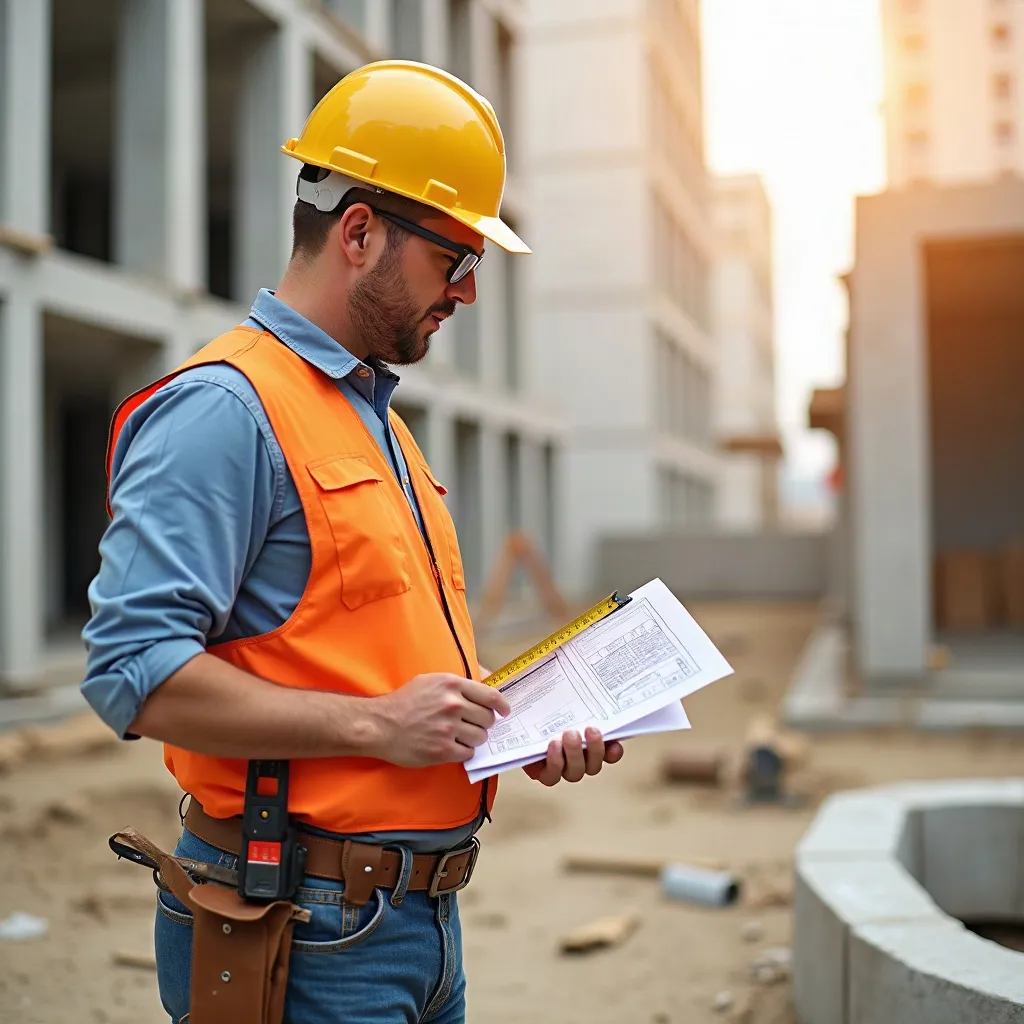
What Is the Role of a General Contractor Do?
A general contractor manages the various elements of a construction project, ensuring that operations proceed without interruption from initiation to completion. They serve as the primary point of contact, handling dialogue between project owners, subcontractors, and suppliers. This role involves structuring the project timeline, coordinating crew members, and verifying conformity with area construction rules and standards.
General contractors are responsible for acquiring required licenses and arranging inspections, which are essential to upholding safety and quality benchmarks. They also handle budgeting, sourcing materials, and managing on-site activities to prevent any possible setbacks or complications. In addition, they supervise subcontractors, ensuring that each phase of construction aligns with project specifications and timelines. Overall, a general contractor's expertise and organizational skills are crucial for completing a successful construction project, turning a client's vision into reality while managing multiple duties and obligations.
Benefits of Employing a General Contractor for Home Remodeling
Engaging a a general contractor for home renovations provides multiple advantages that can substantially enhance the efficiency and quality of the job. General contractors offer expertise in project management, guaranteeing that schedules are followed and resources are allocated effectively. Their long-standing relationships with trade professionals can produce competitive pricing and superior workmanship, which in turn benefits property owners by saving both time and money.
Furthermore, general contractors handle the intricate details of approvals and reviews, limiting potential legal issues. They also deliver a single point of contact, facilitating interaction and management among various trades. This streamlining reduces the likelihood of misunderstandings and delays.
Moreover, their background allows them to predict potential challenges, making possible proactive solutions to maintain the project on track. By hiring a general contractor, homeowners can focus on their vision while enjoying peace of mind, knowing that a professional is overseeing every aspect of the renovation.
Dispelling False Beliefs Surrounding Builders
Many homeowners may hold misconceptions about general contractors, but understanding the realities can lead to more better decisions. A prevalent myth is that hiring a contractor is unnecessary for small projects; yet, their ability can streamline even small-scale renovations, ensuring alignment with local codes. Another common belief is that general contractors are simply middlemen, but they usually possess wide knowledge in different specialties, allowing them to supervise projects successfully. Furthermore, some clients think that collaborating with a contractor will dramatically raise costs. In truth, a skilled contractor can often attain better pricing for materials and labor due to established relationships with suppliers and subcontractors. Lastly, many believe that general contractors are unadaptable, but reputable contractors emphasize client communication and work closely to fulfill tailored needs. Debunked myths can empower homeowners to make the most of the true value of general contractors in completing effective home projects.
Identifying the Most Suitable General Contractor?
How can homeowners ensure they choose the right general contractor for their undertakings? The approach starts with thorough research. Homeowners should seek recommendations from friends, family, and online reviews to identify qualified contractors. Once a compilation is compiled, verifying credentials, such as licensing, bonding, and insurance, is vital to verify credibility.
Next, homeowners should ask for and examine portfolios of past projects, focusing on projects similar in scope. Scheduling meetings allows property owners to assess fit, covering timelines, budgets, and expectations. It's also recommended to obtain multiple quotes for evaluation, providing a better grasp of expenses.
Assessing references offers understanding of a contractor's reliability and professionalism. Ultimately, relying on your gut feeling is crucial; an first consultation can reveal much about a contractor's communication style and approach. By following these steps, homeowners can markedly increase their likelihood of picking a general contractor who suits their objectives and goals.
Optimal Communication Approaches When Working Alongside Your General Contractor
How might homeowners apply techniques to guarantee proper interaction with their general contractor? Setting up open dialogue from the outset is vital. Homeowners must plainly communicate their requirements, project targets, and spending restrictions during initial meetings. Consistent information can be enabled through arranged gatherings, making certain that both parties stay coordinated throughout the project.
Documented materials, including emails or project logs, serves to strengthen spoken understandings and minimizes misunderstandings. Homeowners should also promote transparent communication by soliciting feedback and questions from the contractor, fostering a collaborative environment.
Moreover, utilizing digital tools, such as project management apps, can streamline communication by providing a centralized platform for sharing information, timelines, and changes. Finally, remaining respectful and approachable can strengthen connection, allowing it easier for the contractor to communicate challenges or suggestions effectively. By implementing these strategies, homeowners can develop a productive and open relationship with their general contractor.
What to Prepare For When Your Undertaking Launches?
As the project launches, homeowners can anticipate a burst of work on-site. The general contractor will coordinate teams of skilled tradespeople, including electricians, plumbers, and carpenters, who will begin their work following the predetermined schedule. Homeowners may observe heavy machinery and materials being brought in, creating a lively environment.
Staying in contact is essential during this phase. The contractor will share updates on how things are progressing and address any concerns that surface. Homeowners should ready themselves for potential disturbances, such as loud sounds and restricted passage to certain areas of the home.
Safety measures will be in place to defend both workers and residents, ensuring a secure space. Additionally, homeowners may be encouraged to maintain flexibility, as unexpected circumstances can arise, necessitating adjustments to the original plan. Overall, this initial phase sets the stage for the successful completion of the project, and active engagement is essential.
Fundamental Concerns for Your General Contractor Understanding?
Pinpointing the right topics to discuss when finalizing a general contractor agreement is vital for guaranteeing a streamlined project. Homeowners should inquire about the contractor's certification and safeguard to validate their qualifications and protection against accountability. Understanding the project calendar and benchmarks is critical; therefore, asking about estimated completion dates helps manage expectations.
It is also necessary to articulate payment terms, such as down payments and payment schedules, to forestall misconceptions. Home purchasers should procure a granular analysis of outlays, featuring building materials and labor, to copyright accountability. In addition, deliberating on the process for addressing alterations or surprise difficulties can avert conflicts subsequently.
Finally, property owners should gather details about the credentials of subcontractors, as well as the contractor's communication strategy throughout the project. By examining these matters, property owners can create a strong partnership with their main contractor, ultimately producing a successful home renovation.
Regularly Asked FAQs
How Will General Contractors Set Their Fees for Services?
Contractors generally collect fees via flat fees, time-based rates, or a percentage of the total project cost. Their pricing structure may additionally encompass resources, labor, and running costs, contingent on the scope and difficulty of the work.
Can a General Contractor Support With Documentation and Inspections?
Yes, a construction professional can assist with securing permits and managing inspections. They generally work through local codes and ensure regulatory adherence, streamlining the process for homeowners while providing necessary authorizations throughout the building endeavor.
What Qualifications Should I Select in a General Contractor?
When designating presentation a construction company, one should evaluate professional attributes such as current licensing, insurance, history with related undertakings, strong references, and proficient communication practices, confirming they retain the necessary expertise to administer the project as planned.
What is the Timeline of a Typical Home Remodeling Undertaking?
A everyday home renovation project can extend anywhere from a few weeks to several months, influenced by the extent, difficulty, and size of the project, as well as the stock of materials and labor.
What Takes Place if My Undertaking Goes Over Spending Cap?
If a project goes over budget, the contractor typically discusses the causes and alternatives with the homeowner. Changes may consist of scaling back, obtaining more funds, or modifying the project parameters to align with budget constraints.
Report this page