Dunellen General Contractor Delivering Reliable Construction Services
Dunellen General Contractor Delivering Reliable Construction Services
Blog Article
Why Determining the Best General Contractor Is Key for Your Project
Determining the right prime contractor is a pivotal decision that can considerably shape a project's success. A suitable contractor assures productive administration and observance to budgets. Their ability to navigate setbacks and copyright lucid communication is essential. However, many project owners overlook key factors in this selection mechanism. Recognizing these features can lead to better results and increased gratification. What should one consider when reaching this notable decision?
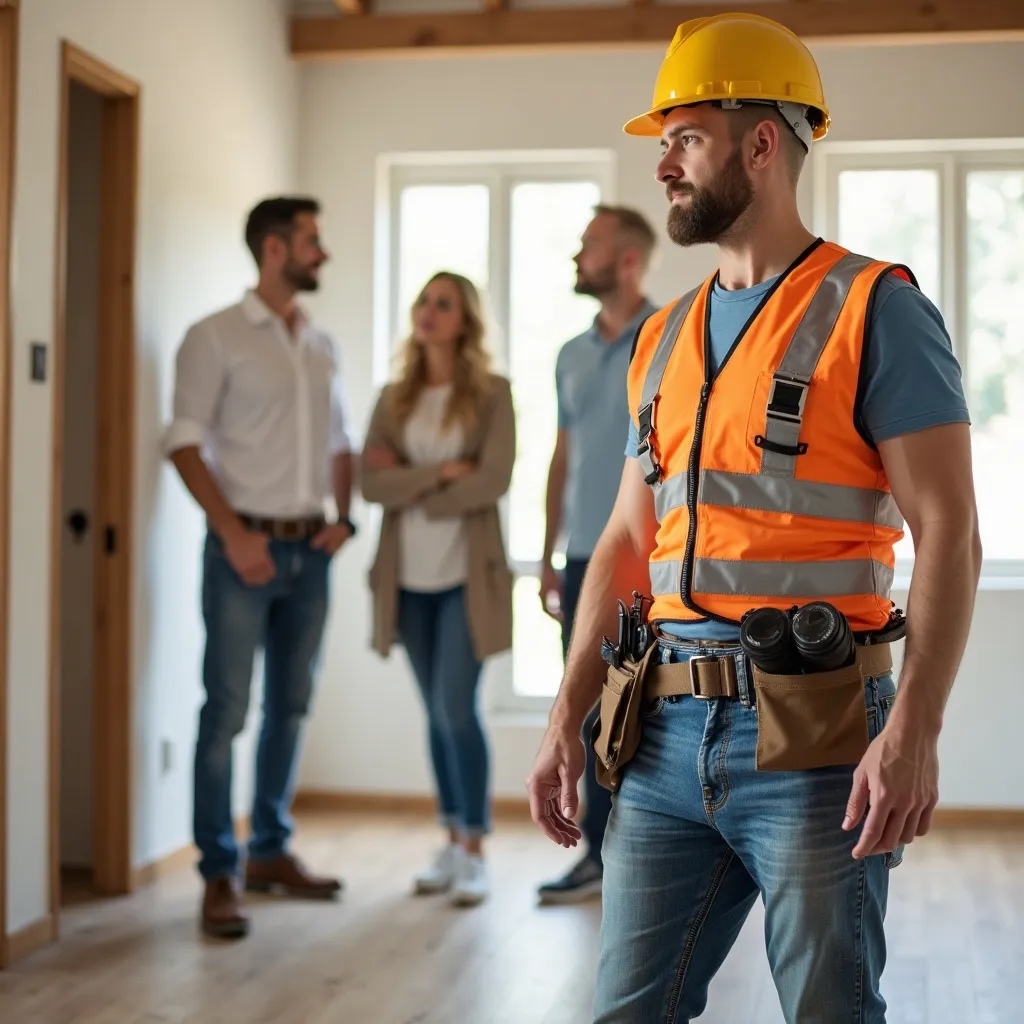
Ordinary Problems in Finding a General Project Director
When selecting a building contractor, potential clients often face several common challenges that can complicate the selection process. One significant hurdle is the vast quantity of choices on offer, which can lead to uncertainty and hesitation. Customers may struggle to distinguish among contractors based on qualifications, experience, and pricing, rendering it challenging to determine who will best meet their construction requirements.
A further problem is the limited disclosure in contractor quotations, where hidden costs may emerge later, affecting the project budget. Likewise, clients may face concerns related to exchange of information; some contractors may be unable to inform clients consistently throughout the process, leading to frustration. Finally, clients often grapple with verifying a contractor's endorsements and past work, which can lead to uncertainty about the caliber of service to be delivered. These impediments necessitate careful consideration and scrutiny to confirm the right choice is made.
The Significance of a Trusted General Contractor
A dependable general contractor plays a crucial role in ensuring review project management efficiency and maintaining quality assurance standards. Their expertise helps streamline processes, reducing delays and costs. Additionally, a trustworthy contractor upholds excellence, resulting in superior craftsmanship and client contentment.
Improve Project Management Effectiveness
Effective project management rests on the trustworthiness of a general contractor. A trustworthy contractor guarantees that timelines are met, resources are distributed efficiently, and communication flows seamlessly among all stakeholders. Their competence in managing subcontractors, suppliers, and laborers directly impacts the progress and overall success of the project. A reliable contractor foresees challenges, applies solutions quickly, and remains focused on project goals, minimizing holdups and budget overruns. This effectiveness encourages a collaborative environment, allowing for adjustments and improvements where necessary. Ultimately, the general contractor's dependability boosts both the operational aspects of the project and the confidence among clients and team members, making sure everyone is aligned toward a successful outcome.
Quality Assurance Standards
Reliable general contractors fulfill a significant role in enforcing quality assurance standards throughout the course of a project. They guarantee that all work adheres to established guidelines and industry norms, a key aspect for the longevity and safety of the structure. A competent contractor maintains careful oversight of materials and workmanship, conducting regular inspections to identify and rectify problems quickly. This proactive strategy addresses risks associated with inferior construction, ultimately protecting the investment. Furthermore, a reliable contractor supports communication among all stakeholders, ensuring expectations are clear and met. By emphasizing quality assurance, a skilled general contractor not only improves the finished product but also cultivates trust with clients, laying the foundation for successful project outcomes.
Examining a Contractor's Experience and Reputation
When assessing a general construction professional, grasping their experience and reputation is vital, as these factors greatly influence project results. A contractor's expertise typically shows their capacity to handle various project types, complexities, and hurdles. Examining their collection of work delivers insight into previous work, highlighting craftsmanship and meticulous attention to detail.
In addition, reputation functions as a vital role in creating trust. Prospective clients should seek online reviews, recommendations, and references to determine satisfaction levels from previous clients. Working with past customers can expose the contractor's reliability, communication skills, and maintaining timelines and budgets.
Additionally, trade memberships and certifications can boost a contractor's reputation, showing a commitment to high standards and principled practices. By thoroughly evaluating both background and reputation, clients can reach sound conclusions, ultimately paving the way for a prosperous construction project.
Vital Attributes of a Reliable Contractor
A reliable contractor regularly demonstrates honesty, openness, and strong interpersonal abilities. These vital traits create the basis of a successful professional partnership. Integrity guarantees the contractor conforms to moral standards, providing truthful evaluations and practical schedules. Transparency involves fully disclosing assignment information, including costs and potential challenges, building confidence between the contractor and the client.
Strong communication skills allow the contractor to communicate ideas efficiently, listen to client preferences, and address any concerns that occur during the project. Additionally, a reliable contractor exhibits flexibility, responding to changes and unforeseen circumstances with composure and resilience. Close attention to detail is a further essential trait; it shows a commitment to quality and precision in every aspect of the work. Ultimately, these characteristics not only enhance project outcomes but also contribute to a positive experience for clients, making the selection of a dependable contractor all the more vital.
Essential Considerations When Choosing Your General Contractor?
How can a person guarantee they choose the right general contractor for their project? By posing a set of specific questions, potential clients can more effectively assess candidates. First, asking about the contractor's experience with comparable work gives insight into their expertise. It's also crucial to request for references; communicating with previous clients can show the contractor's trustworthiness and quality of work.
Then, reviewing licensing and insurance verifies that the contractor meets legal requirements and shields the client from potential liabilities. Clients must also inquire about timelines and project management strategies to determine how the contractor will manage the project efficiently.
Budget meetings are important; asking for a thorough estimate prevents surprise costs later. Finally, grasping the contractor's preferred way of communicating can establish the foundation for a successful partnership. By addressing these important inquiries, clients can choose wisely in selecting their general contractor.
Effective Exchange Between You and Your Contractor
Effective discourse with a contractor is necessary for project accomplishment. Clarifying unambiguous parameters and delivering immediate notifications can avert conflicts that often lead to costly interruptions. Additionally, fostering an honest interaction nurtures confidence, assuring a more seamless collaboration throughout the building process.
Defined Standards Promote Achievement
Setting precise expectations is important for a successful partnership with a general contractor. Transparent communication paves the way for understanding the project's goals, deadlines, and budget limits. When both sides express their needs and concerns, it reduces the chance of misunderstandings that could stop progress. A contractor who is familiar with the exact requirements can manage resources wisely and tackle potential problems proactively. Furthermore, having clear expectations promotes accountability, making sure that the contractor fulfills promises and that the homeowner stays engaged in the process. Prioritizing open communication from the start allows clients to strengthen teamwork and satisfaction, ultimately resulting in a seamless project delivery. Clear expectations simplify workflows but also cultivate trust between the homeowner and the contractor.
Rapid Messages Prevent Miscommunications
Setting defined expectations lays the foundation for effective teamwork, although consistent communication remains just as important. Timely updates from a general contractor can ward off miscommunication that may develop over the course of a job. When construction teams consistently relay status reports, clients remain up to date on project timelines, cost changes, and potential complications. This proactive communication helps align both parties' expectations and reduces the risk of disputes later on. Additionally, if problems emerge, swift notification allows for faster fixes, guaranteeing the project remains on track. By establishing a culture of transparent communication, contractors show their dedication to the project's accomplishment, in the end yielding a more streamlined operation and greater client satisfaction. For this reason, prompt updates function as a foundational element for upholding understanding and trust over the course of the construction process.
Open Discourse Develops Trust
As a project progresses, upholding an honest conversation with the general contractor becomes paramount for fostering belief and collaboration. Effective communication confirms that all involved parties have a clear understanding of objectives, timelines, and potential challenges. When contractors and clients maintain frequent talks, it lets for the discovery of setbacks before they escalate, reducing disruptions. This candor not only builds confidence but also enhances the overall project experience. Likewise, an open line of communication encourages feedback, enabling the contractor to make adjustments that conform to the client's vision. In conclusion, strong communication establishes a foundation of shared esteem, which is essential for the successful completion of any construction project. Trust cultivated through exchange leads to superior performance for everyone involved.
Frequently Asked Questions
What steps should I take to validate if a Contractor maintains a current License?
To verify if a contractor is registered, one should review local licensing boards or websites, authenticate their license number, and ensure it's active. Additionally, reading online reviews can deliver clarity regarding their reputation and consistency.
What Protection Must My Construction Professional Maintain?
A tradesperson should carry overall liability protection, occupational injury insurance, and, if pertinent, liability for professional negligence. These cover potential damages, workplace injuries, and errors in workmanship, ensuring fiscal safety for both the contractor and the client.
What Steps Should I Follow to Evaluate a Professional's References?
To verify a contractor's credentials, one should request a list of past customers, contact them directly, and ask regarding their experiences. Furthermore, examining online reviews and ratings can provide valuable insights into the contractor's reliability.
What Must I Execute if Challenges Surface During the Project?
If issues arise during the project, one should document the concerns, communicate directly with the contractor, and achieve a resolution. If necessary, engaging a mediator or consulting a legal professional may also be appropriate.
Do You Need to Identify Red Flags During the Hiring Process?
Problem indicators found in the hiring process include unclear pricing, lack of references, weak communication, incomplete licenses, and negative online reviews. These clues suggest conceivable difficulties that might impact the project timeline and quality.
Report this page